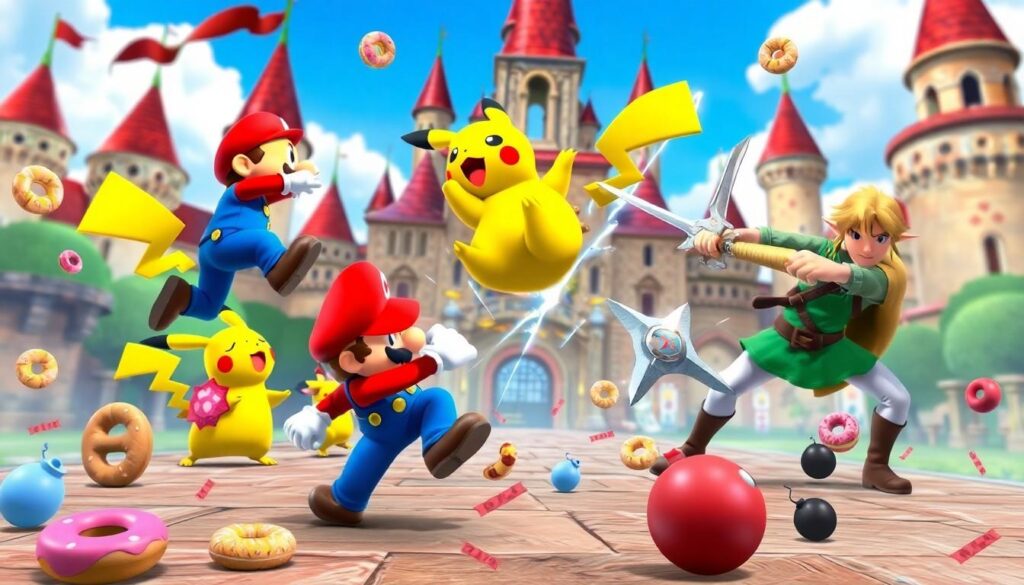
In the world of gaming, few titles have sparked as much joy and chaos as Super Smash Bros. Released in 1999, this groundbreaking brawler brought beloved characters together for epic showdowns that left players both cheering and crying. Imagine Mario and Pikachu teaming up or going head-to-head with Link and Donkey Kong—it’s a crossover dream come true.
Overview of Super Smash Bros. (1999)
Super Smash Bros., released in 1999, revolutionized the fighting game genre. Nintendo developed this crossover title, allowing iconic characters from various franchises to engage in combat. Players experience thrilling matchups, such as Mario battling against Pikachu or teaming up with Link.
Multiplayer gameplay enhances the excitement. With up to four players competing simultaneously, chaos unfolds on-screen. Unique items, such as donuts and bombs, add unpredictability to each fight, making strategy essential.
The game features several iconic stages inspired by Nintendo’s franchises. Hyrule Castle and Dream Land serve as memorable arenas, enhancing the overall atmosphere. Each stage offers distinct layouts, encouraging varied tactics from players.
Character selection is diverse and appealing. Eleven characters from popular franchises are available from the start, each possessing unique abilities and moves. Unlockable characters provide motivation for players to explore and engage with the game.
Super Smash Bros. emphasizes fun over traditional fighting mechanics. Defeating opponents requires knocking them off the screen, which creates a less complex but engaging challenge. The game’s iconic mechanic promotes not just combat skills but also creativity in strategies.
Critical acclaim appeared quickly. Reviewers praised the innovative gameplay and nostalgic character roster, which appeal to fans both young and old. Sales figures reflect this success, with the game selling over 5 million copies worldwide, solidifying its legacy in gaming history.
This classic title remains a significant element of Nintendo’s gaming culture, inspiring sequels and spin-offs. Super Smash Bros. shaped the landscape of fighting games by uniting characters and innovations in a way never seen before.
Gameplay Mechanics

Super Smash Bros. features engaging gameplay mechanics that set it apart in the fighting game genre. Players select from a diverse roster of iconic characters and battle across unique stages.
Characters and Roster
Eleven characters start the game, including Mario, Pikachu, and Link. Unlockable characters expand the roster, offering variety and encouraging exploration. Each character possesses distinct abilities, allowing players to develop unique playstyles. Fans appreciate the nostalgia and charm these characters bring, enhancing the overall experience. Engaging with a character’s specific moveset often leads to discovering creative strategies.
Stages and Environments
Stages in Super Smash Bros. are inspired by Nintendo’s beloved franchises. Hyrule Castle and Dream Land are examples of imaginative environments that influence gameplay. Each stage features unique hazards, adding excitement to every match. Players often adapt their strategies based on the arena they’re in, encouraging varied tactics. Iconic visuals contribute to nostalgia while enhancing immersion in the battles. Stages play a crucial role in the overall game dynamics, keeping matches fresh and engaging.
Graphics and Sound Design
Super Smash Bros. showcases innovative graphics and sound design that enhance the gaming experience. The visual elements and audio work together to create an immersive atmosphere.
Visual Style
The game’s visual style combines colorful graphics and charming character designs. Characters from popular franchises appear in a distinct, cartoon-like aesthetic. Backgrounds are vibrant and dynamic, reflecting the various stages based on iconic Nintendo worlds. Players quickly recognize elements like Hyrule Castle’s intricate details or Dream Land’s whimsical landscapes. 1024×768 resolution provides a seamless view of the action. This creative approach keeps players engaged and visually entertained throughout the matches.
Soundtrack and Audio Effects
The soundtrack features catchy tunes that resonate with fans, mainly comprised of remixes from classic Nintendo games. Each character has unique sound effects that enhance their abilities, adding depth to gameplay. Iconic audio cues signal important moments, such as item drops or knockouts, contributing to overall excitement. Voice clips from beloved characters bring a nostalgic touch, often eliciting fond memories. Game developers carefully crafted every sound element, ensuring a memorable audio experience that complements the lively visuals.
Cultural Impact and Legacy
Super Smash Bros. transformed the fighting game genre and left a lasting cultural imprint. Its release in 1999 caught the attention of both gamers and the gaming industry.
Reception and Reviews
Critics acclaimed the innovative gameplay and diverse character roster. Many noted the game’s accessibility for players of all ages and backgrounds. Reviewers highlighted its creative combat mechanics, which emphasized fun over traditional fighting techniques. This unique approach led to positive reviews from major gaming publications. With over 5 million copies sold worldwide, the strong commercial success reinforced its reputation. Players cherished the nostalgia factor, resulting in favorable player feedback that supported critical analysis.
Influence on Future Titles
Future fighting games drew inspiration from the mechanics and concepts introduced in Super Smash Bros. Many developers recognized the value of combining characters from different franchises for appealing gameplay. This trend influenced several crossover titles, further enriching the gaming landscape. Each sequel expanded its gameplay mechanics while maintaining core elements that fans loved. The impact extended beyond games by fostering a vibrant community centered around competitive play and online tournaments. Ultimately, Super Smash Bros. shaped the evolution of multiplayer gaming experiences in meaningful ways.
Conclusion
Super Smash Bros. stands as a landmark title in gaming history. Its innovative approach to the fighting genre not only brought beloved characters together but also created a unique multiplayer experience that continues to resonate with players. By emphasizing fun and creativity over traditional mechanics, it encouraged a new generation of gamers to explore diverse playstyles and strategies.
The game’s vibrant graphics and memorable soundtrack further enhanced its appeal, making it a cherished classic. As it inspired sequels and shaped the future of multiplayer gaming, Super Smash Bros. solidified its legacy as a cultural phenomenon that transcends generations. Its impact on the gaming landscape remains undeniable, ensuring that its charm endures in the hearts of fans everywhere.